Diagnostic Technology That Measures Brain Function
EEG diagnostic units in Burton for neurological evaluation following trauma or collision events
Gray Matter Distributors, LLC provides EEG diagnostic units designed to measure electrical brain activity patterns and assist medical professionals in evaluating neurological abnormalities that may not appear immediately on standard imaging. Traditional CT scans or MRIs can miss early-stage brain injuries, particularly in the hours or days following a collision, because structural damage may be minimal even when functional impairment exists. The unit captures brain wave data that reflects changes in neural activity, offering an additional evaluation pathway when visual imaging produces inconclusive results.
This technology is built for diagnostic facilities, medical practices, and organizations involved in traumatic brain injury assessment, especially in cases where head trauma occurred during motor vehicle accidents, sports-related impacts, or workplace incidents. It supports evaluation timelines as early as several days post-event, capturing brain function data during a critical window when functional deficits may be present but structural imaging remains unremarkable.
Request technical specifications and clinical implementation details to assess how this unit fits within your diagnostic protocols.
We Offer Financing Through Trusted Third Party Partners
What the Technology Detects and How It Functions
EEG diagnostic units are for neurological evaluation following cognitive decline or trauma due to collision events. Gray Matter Distributors, LLC provides EEG diagnostic units designed to measure electrical brain activity patterns and assist medical professionals in evaluating neurological abnormalities that may not appear immediately on standard imaging. Traditional CT scans or MRIs can miss early-stage brain injuries, particularly in the hours or days following a collision, because structural damage may be minimal even when functional impairment exists. The unit captures brain wave data that reflects changes in neural activity, offering an additional evaluation pathway when visual imaging produces inconclusive results.
This technology is built for diagnostic facilities, medical practices, and organizations involved in med-legal traumatic brain injury assessment, especially in cases where head trauma occurred during motor vehicle accidents, sports-related impacts, or workplace incidents. It supports evaluation timelines as early as several days post-event, capturing brain function data during a critical window when functional deficits may be present but structural imaging remains unremarkable. Helps to identify early markers. By visualizing electrical activity, connectivity and structural shrinkage in real time, doctors can detect neurodegenerative diseases Alzheimer's years before memory loss even begins
Request technical specifications and clinical implementation details to assess how this unit fits within your diagnostic protocols
Questions Providers and Organizations Typically Ask
Diagnostic facilities and medical practices considering this technology often want to understand how it fits within their current evaluation capabilities and what implementation involves.
What types of brain injuries does the unit help identify?
The technology detects functional abnormalities in brain wave patterns that may result from concussive impacts, diffuse axonal injury, or post-traumatic neurological changes, particularly when imaging does not reveal structural damage in the acute phase following trauma.
How soon after an injury can the unit be used?
Brain activity evaluation can occur within days of a traumatic event, capturing data during the early window when functional deficits may be present even if structural imaging appears normal.
Who interprets the EEG results?
Interpretation requires medical professionals trained in neurological evaluation, typically neurologists or physicians with experience in traumatic brain injury assessment who can analyze brain wave data alongside clinical findings and patient symptoms.
What is included with the diagnostic unit?
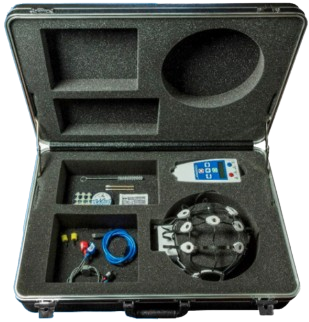
Units are shipped with technical specifications, electrode systems, and setup documentation, though implementation support and training coordination vary based on facility needs and existing diagnostic infrastructure.
How does this technology differ from standard imaging?
CT scans and MRIs detect structural abnormalities such as bleeding or lesions, while EEG captures electrical brain activity patterns that reflect functional changes, making it useful when structural imaging is unremarkable but neurological symptoms persist.
Gray Matter Distributors, LLC provides EEG diagnostic units to approved medical facilities and organizations nationwide, supporting earlier neurological evaluation workflows for cases involving traumatic brain injury. Contact the distribution team to discuss technical requirements, clinical applications, and implementation timelines for your practice or diagnostic facility.