Brain Function Testing That Uses Electrical Activity
The Device for clinicians evaluating neurological changes after injury, monitoring cognitive decline, dementia or Alzheimer's
Gray Matter Distributors, LLC would like to introduce our FDA-cleared neurological assessment platform. This compact, portable unit combines quantitative EEG and ERP technology to measure brain function through objective physiological data rather than symptom reporting alone.
The system utilizes a nine-channel, wireless headset to record electrical activity while patients respond to auditory stimuli. This provides measurable data to evaluate core cognitive functions, including attention and working memory. It is particularly effective for clinicians monitoring:
- Concussion and traumatic brain injury
- Cognitive decline
- Dementia and Alzheimer’s disease
Our proprietary algorithms generate standardized reports to help you track patient status and disease progression over time. The battery-powered device is designed for standard clinical environments and uses a Hydro-Dot Biosensor system for maximum patient comfort and signal reliability.
We would like to invite you to schedule a technical review to explore how this brain function testing unit can integrate into your practice workflow.
What the Testing Process Involves
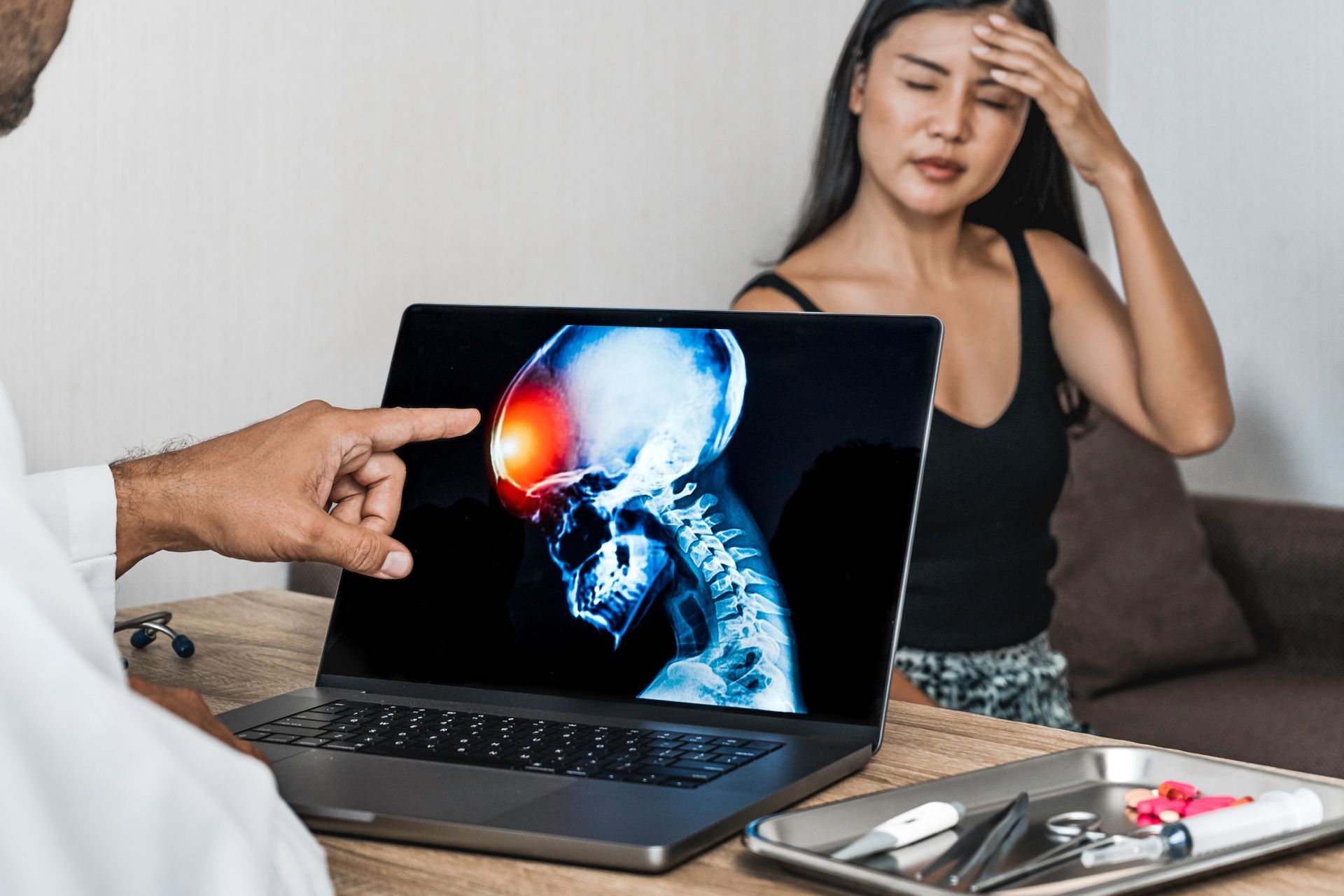
A complete testing session typically takes approximately one hour, with setup requiring about five to ten minutes. Trained clinical staff can administer the test after completing a relatively short onboarding process, and the calibrated auditory delivery system ensures consistent testing conditions across all patient assessments. Active electrodes help reduce artifacts and improve signal quality, while Bluetooth communication allows mobile operation within the clinical space.
After testing concludes, you receive a standardized report that presents quantitative brainwave analysis rather than relying solely on subjective symptom descriptions. This documentation allows you to compare results across multiple testing sessions, making it possible to identify changes in cognitive function that may not be apparent through traditional examination methods alone. The system has been utilized in more than 30,000 patient tests and maintains FDA-cleared status with recognition by the Alzheimer's Association.
The American College of Occupational and Environmental Medicine recommends ERP testing for concussion assessments, reflecting broader clinical acceptance of objective brain function measurement. The device integrates into existing office workflows without requiring dedicated testing rooms or extensive facility modifications. Providers can establish baseline cognitive function measurements and use subsequent tests to document neurological changes over weeks, months, or years depending on the clinical situation.
Questions Clinicians Ask About Brain Function Testing
Physicians, neurologists, neuropsychologists, chiropractors, and diagnostic providers in Burton often want to understand how objective neurological assessment fits within their existing patient evaluation protocols before implementing new testing technology
What cognitive functions does the system evaluate?
The testing protocol measures attention, working memory, and cognitive processing by analyzing electrical brain activity recorded during structured auditory tasks, producing quantitative data that reflects how the brain responds to specific stimuli.
How quickly can testing be performed after a neurological event?
The wireless design allows testing within days of an incident rather than waiting months for symptom progression, which may help establish baseline function when traditional imaging shows limited findings but the patient reports cognitive changes.
What training does clinical staff need to administer the test?
Staff can administer assessments after completing a relatively short onboarding process that covers headset placement, patient preparation, and testing protocol administration.
How does brainwave data differ from symptom-based assessment?
The system captures physiological responses through a nine-channel EEG configuration, providing measurable neurological data independent of patient symptom reporting, which can be particularly valuable when documenting patient status for clinical or medico-legal purposes.
What applications does the device support in Burton clinical practices?
Testing commonly applies to concussion assessment, traumatic brain injury evaluation, post-accident neurological screening, cognitive decline monitoring, and dementia tracking where longitudinal patient monitoring helps inform treatment planning.
Gray Matter provides implementation details, clinical application information, and technical specifications for providers who want to add objective brain function measurement to their diagnostic capabilities. Request technical documentation to review how the platform supports your specific patient population.