Neurological Data Before Symptoms Fully Develop
For Attorneys who specialize in personal injury clients reporting cognitive symptoms following motor vehicle accidents or impact-related incidents
Traumatic brain injuries frequently occur in motor vehicle accidents, workplace incidents, falls, and other impact-related events, yet significant neurological injury can occur even in collisions involving relatively low speeds. Clients often report memory problems, headaches, nausea, anger, difficulty concentrating, or processing delays. While early CT scans and MRIs show limited structural findings, creating documentation challenges early in case development. Gray Matter Distributors, LLC. provides access to FDA-cleared brain function testing through our network of physicians nationwide. That measures attention, working memory, and cognitive processing through quantitative EEG and ERP that provides objective medical evidence for concussion and TBI built for litigation.
The testing platform evaluates brain function by recording electrical activity while patients respond to structured auditory stimuli, creating physiological measurements rather than relying on symptom descriptions alone. These are neuroelectric signals generated by the brain itself , independent of the patient. Testing can be performed within days of an incident rather than waiting months for symptom progression, which may be particularly valuable when early objective documentation is needed. The system has been utilized in more than 30,000 patient tests and maintains FDA-cleared status, with ERP testing recommended by the American College of Occupational and Environmental Medicine for concussion assessments.
Contact us to discuss how objective brain function testing can support medical evaluation for your injured clients.
Why Timing Matters in Brain Injury Documentation
Delayed diagnosis can affect treatment timelines and case development, particularly when clients report cognitive symptoms immediately following an accident but traditional imaging studies appear unremarkable during the first days or weeks after injury. The testing protocol captures brainwave responses through a nine-channel EEG configuration, producing quantitative data that reflects how the brain processes information during specific cognitive tasks. Proprietary algorithms analyze the collected electrical activity and generate standardized reports showing attention capacity, working memory function, and processing speed compared to normative databases.
After testing concludes, treating physicians receive documentation showing measurable neurological data that may help them better understand the patient's condition beyond symptom reporting. The standardized reports provide quantitative brainwave analysis that can be compared with subsequent tests performed weeks or months later, creating a longitudinal record of cognitive function throughout the medical treatment process. Earlier identification of neurological dysfunction through objective measurement may help ensure clients receive appropriate medical attention during the critical period following injury.
The device supports medical evaluation and does not replace physician diagnosis or legal analysis, but it provides treating doctors with physiological data when traditional diagnostic approaches show limited findings. Brain injury cases often require collaboration between healthcare providers and legal professionals, and objective testing performed early in the treatment timeline can establish baseline cognitive function before symptoms either improve or progress. The wireless, battery-powered system operates in standard clinical environments, allowing testing to occur within existing medical workflows without requiring specialized facilities or extensive time commitments from treating physicians.
What Attorneys Want to Know About Brain Function Testing
Attorneys handling personal injury, motor vehicle accident, premises liability, workplace injury, and concussion-related cases often need practical information about how objective neurological assessment works and when it provides value in case development.
What types of injuries warrant brain function testing?
Testing applies to cases involving motor vehicle accidents, falls, sports injuries, workplace impacts, or any incident where the client reports cognitive symptoms such as memory problems, concentration difficulties, or processing delays following head trauma.
How soon after an incident can testing be performed?
The wireless design allows testing within days of an accident, establishing baseline cognitive function measurements when early documentation may be particularly valuable, especially if the client's symptoms persist or worsen over subsequent weeks.
What makes this different from traditional neuropsychological testing?
The system captures physiological brainwave responses through quantitative EEG and Event-Related Potential technology rather than relying solely on written test performance, providing measurable electrical activity data that complements traditional cognitive assessment methods.
Can testing identify brain injury when MRI results appear normal?
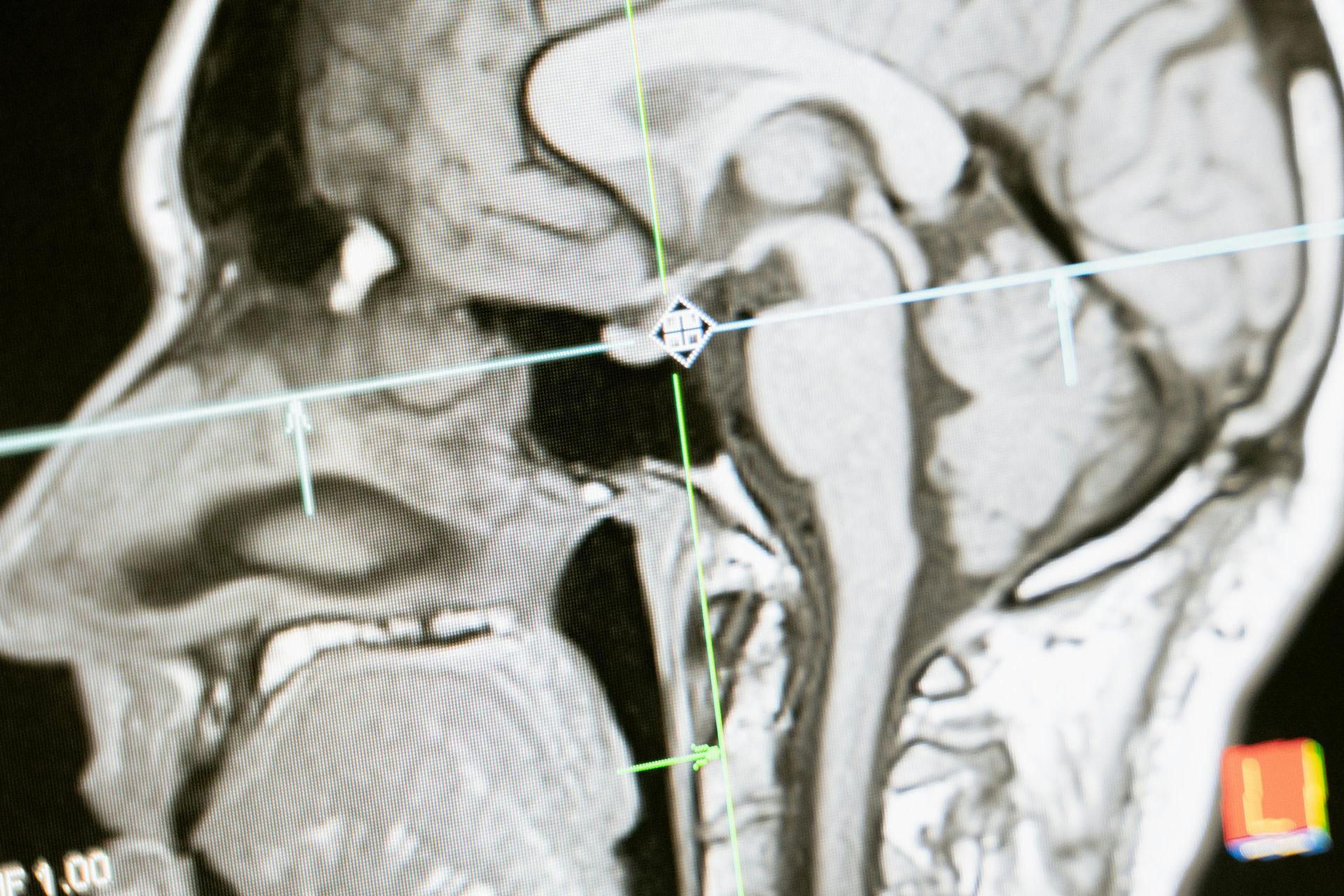
The device measures brain function rather than brain structure, so it can identify attention deficits, working memory impairments, or processing delays that do not produce visible structural changes on imaging studies, which is common in mild traumatic brain injury cases throughout Burton and beyond.
How does objective neurological data support case development?
Quantitative brainwave analysis provides treating physicians with physiological measurements that may support their clinical findings, and earlier documentation of neurological dysfunction can help establish the timeline and severity of injury during the medical treatment process.
Gray Matter works with attorneys nationwide who need objective brain function testing for clients presenting with neurological symptoms following traumatic incidents. Learn how physiological brain measurement can support the medical evaluation process for your injured clients.