Objective Data When Imaging Shows Limited Findings
For Physicians who have patients with neurological symptoms despite unremarkable traditional imaging studies. The Neuro-Peak Cognition System is easy to use and allows clinicians to assess brain function through ERP/EEG testing. With Medicare approved coding.
Patients who present following motor vehicle accidents, sports injuries, workplace incidents, or falls may have TBI. This unit can detect and help diagnose a TBI with low impact collision. The Cognition unit measures attention, working memory, and cognitive processing through quantitative EEG and Event-Related Potential technology rather than relying on symptom reporting alone. This testing approach produces physiological data that can complement traditional neurological examination when documenting patient status, particularly in cases where subjective complaints do not align with structural imaging findings.
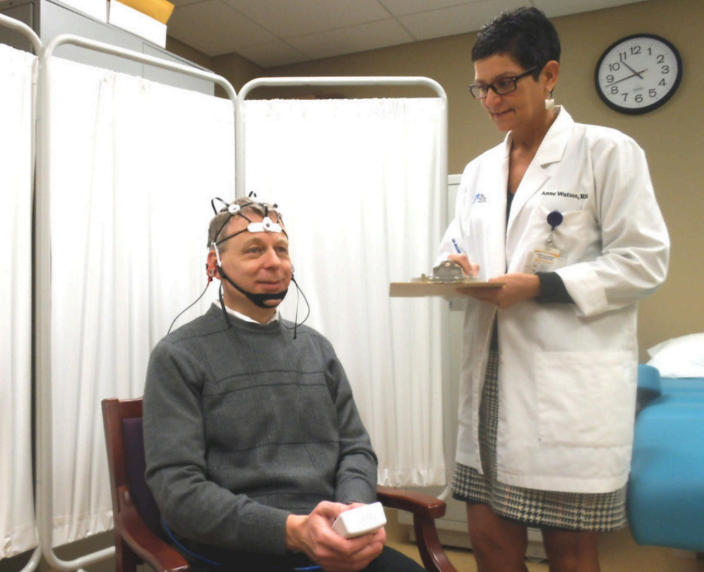
The FDA-cleared assessment platform evaluates how the brain responds to structured auditory stimuli by recording electrical activity through a nine-channel EEG configuration. Testing takes approximately one hour and can be performed within existing office workflows without requiring dedicated facilities or extensive time commitments from physicians. Standardized reporting provides quantitative brainwave analysis that allows comparison across multiple testing sessions, making it possible to track changes in cognitive function over time.
Arrange a demonstration to see how objective neurological assessment fits within your patient evaluation protocols.
How Brain Function Measurement Supports Clinical Documentation
The testing protocol captures physiological responses rather than subjective symptom descriptions, producing measurable data that reflects how the brain processes information during specific cognitive tasks. Proprietary algorithms analyze the collected brainwave patterns and generate reports showing attention capacity, working memory function, and cognitive processing speed compared to normative databases. This approach provides documentation that some physicians find valuable when establishing baseline cognitive function or monitoring neurological changes following injury.
After testing completes, you receive standardized documentation showing quantitative measurements of brain function that may reveal processing deficits not apparent through traditional examination alone. The data allows you to compare results from subsequent tests performed weeks or months later, creating a longitudinal record of cognitive function that can inform treatment planning. Earlier identification of neurological dysfunction through objective measurement may support more informed decisions about patient management, rehabilitation referrals, or additional diagnostic workup.
The American College of Occupational and Environmental Medicine recommends ERP testing for concussion assessments, and the device has been utilized in more than 30,000 patient tests across various clinical applications. The wireless, battery-powered headset uses Hydro-Dot Biosensor technology designed for patient comfort and reliable signal quality, with active electrodes that help reduce artifacts during data collection. Testing can be administered by trained clinical staff after completing onboarding, streamlining the patient experience within your existing office schedule.
Common Questions From Medical Providers
Neurologists, neuropsychologists, chiropractors, and primary care physicians considering objective brain function testing often want practical details about implementation, clinical applications, and how testing integrates with existing diagnostic approaches.
When should brain function testing be considered?
Testing applies when patients report cognitive symptoms following head injury, when baseline cognitive documentation is needed before treatment begins, or when monitoring disease progression in conditions affecting neurological function over time.
How does the device handle patient movement during testing?
Active electrodes and Bluetooth communication maintain signal quality during the one-hour testing session, and the Hydro-Dot Biosensor system reduces artifacts that might otherwise compromise data collection in typical clinical environments.
What happens when structural imaging appears normal but symptoms persist?
Objective brain function measurement can identify processing deficits or attention impairments that do not produce visible structural changes on CT or MRI, providing physiological documentation that complements clinical examination findings.
How does testing support traumatic brain injury evaluation in Burton?
The wireless design allows testing within days of an incident, establishing baseline cognitive function measurements when early documentation may be particularly valuable for treatment planning and clinical monitoring as the patient progresses through recovery.
What cognitive domains does the assessment evaluate?
The system measures attention, working memory, and cognitive processing by analyzing brainwave responses to structured auditory stimuli, producing quantitative data that reflects core neurological functions affected by concussion, traumatic brain injury, and cognitive decline.
Gray Matter works with physicians, neurologists, neuropsychologists, chiropractors, and diagnostic providers who want to add objective neurological assessment to their clinical capabilities. Contact our team to discuss implementation options specific to your patient population and practice setting.